What a Transparent Salary Band Really Means in 2026
Tips for applications

The EU Pay Transparency Directive (2023/970) set June 2026 as the deadline for all 27 member states to transpose it into national law. It obligates employers to share pay ranges with job applicants before interviews and gives employees the right to request average pay data by gender for comparable roles.
In the U.S., the trend has been different from state to state. Colorado's Equal Pay for Equal Work Act (2021, expanded 2023) was among the first to require salary ranges in job postings. California's SB 1162 followed in 2023, and New York City's Local Law 32 (2022) mandated ranges in job ads. By 2025, roughly a dozen U.S. states had similar statutes, covering a large share of the national workforce.
A salary band in 2026 isn't just a number range slapped on a job ad. It typically reflects:
Structured leveling - bands tied to defined job levels/grades, not arbitrary negotiation outcomes.
Geographic and market calibration - many companies now publish bands adjusted by location rather than one flat range.
Internal equity audits - bands are increasingly cross-checked against existing employee pay to avoid compression or gender/race pay gaps.
Transparency reduces negotiation-based pay gaps but introduces new tension: publishing bands can constrain internal flexibility and invite comparison among existing staff. HR leaders are responding by tightening band accuracy rather than widening ranges to preserve negotiating room.
A transparent salary band in 2026 signals not just a number, but a company's willingness to be audited on how it pays people.
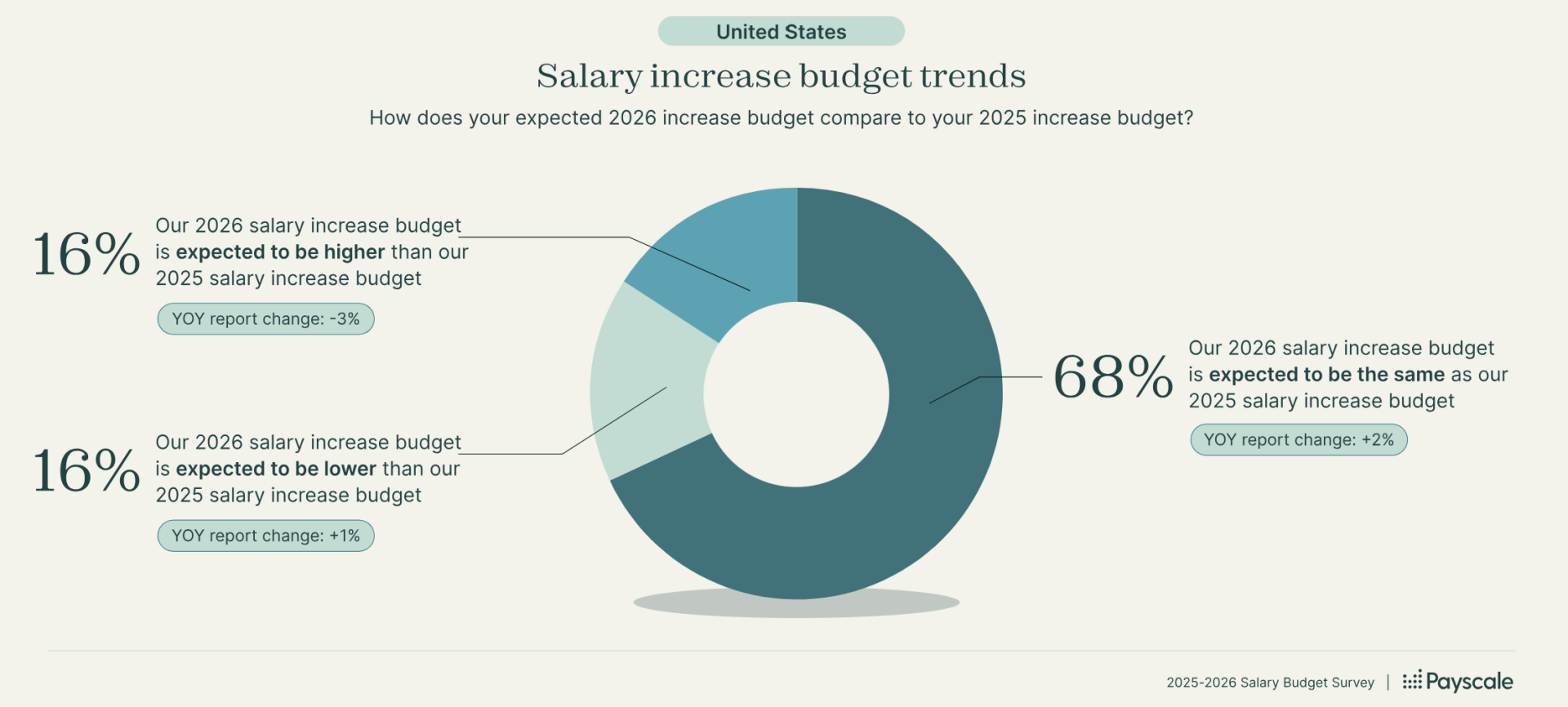
Transparency changes the negotiation game. Posting a range upfront changes the dynamic from a guessing game to a conversation about placement and justification.
Employers often post ranges wider than what they expect to pay most candidates, leaving room to reward stronger qualifications.
Bring evidence, not just confidence. Point to specific experience, certifications, or scope of responsibility that maps to the top of the range. Your personal brand is usually tied to demonstrable criteria, not gut feel.
Ask about the whole package, not just base pay. Bonus targets, equity, and benefits are often separate from the posted band and can be more flexible.
Clarify where the band applies. If the role is remote or the company uses geographic bands, confirm which location's range applies to you.
Don't skip the conversation just because a number is posted. A published band is a starting point for negotiation, not a fixed offer.
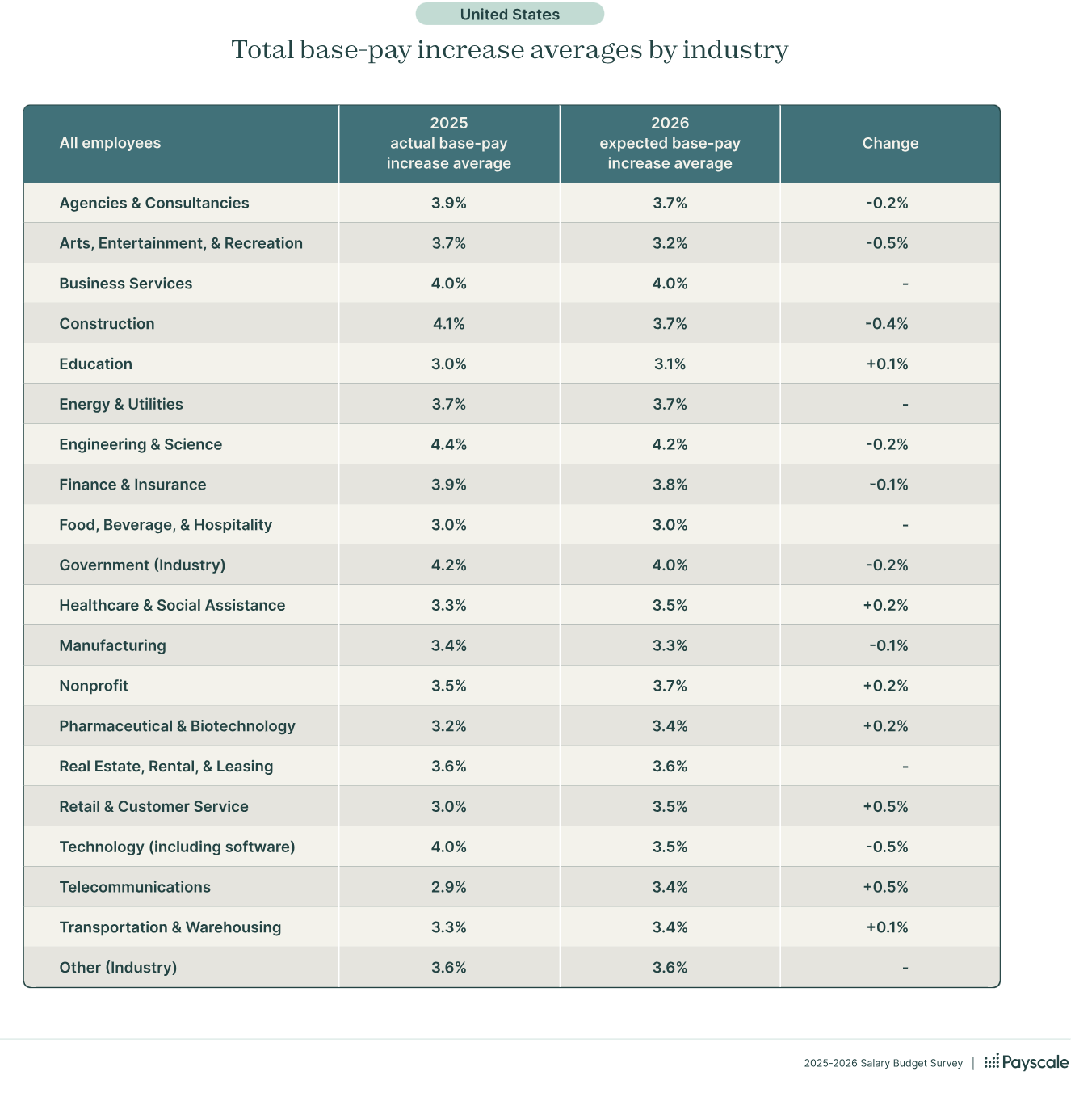
"Where within this posted range would a candidate with my experience typically land?" - This helps you understand if you're being considered for the low, middle, or high end before an offer is made.
"How is this band determined, and how often is it reviewed?" - Reveals whether pay is tied to market data, internal leveling, or ad hoc decisions.
"Is this range specific to my location, or is it a national/global band?" - Especially relevant for remote roles, where geographic pay adjustments can significantly change take-home pay.
"What's included in total compensation beyond base salary?" - Bonus, equity, benefits, and perks can meaningfully shift the real value of an offer, even within the same posted band.
"What would it take to move toward the top of this band, and on what timeline?" - Shows you're thinking beyond the offer stage and helps you understand the growth path, not just the starting number.
Asking these questions doesn't signal suspicion. Rather, it demonstrates that you understand pay bands and know how to advocate for your worth.
Credit for images & figures: https://www.payscale.com/featured-content/salary-budget-survey-sbs